Myanmar Takes Part in 56th GMS Tourism Working Group Meeting to Boost Tourism, Here’s What You Need to Know
Published on
November 19, 2025

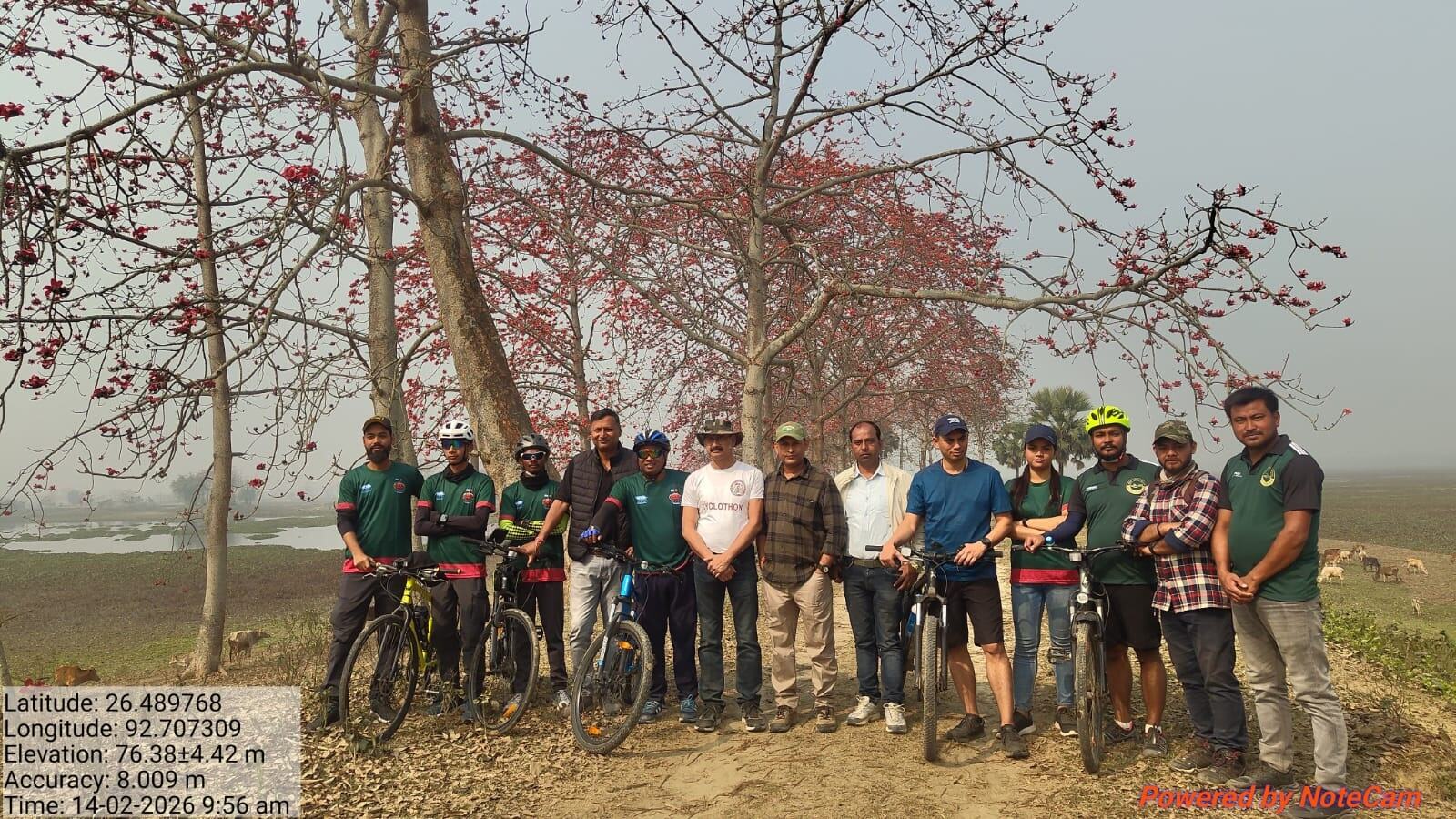
UMTA recently participated in the 56th Greater Mekong Subregion (GMS) Tourism Working Group Meeting in Ninh Binh, Vietnam, from 16 to 20 November 2025. This meeting, along with the MTOC Board meeting and the Global Sustainable Tourism Conference, was an important event to continue the promotion of collaboration in tourism in the GMS. U Kyaw Myo Htike, UMTA’s Mandalay zone chair, was also present at the meeting with other international attendees from GMS countries.
The GMS Tourism Working Group: A Platform for Regional Cooperation
The Greater Mekong Subregion Tourism Working Group Meeting plays an important role in shaping the future of tourism across the six GMS countries: Myanmar, Vietnam, Laos, Cambodia, Thailand, and China’s Yunnan Province. With tourism as one of the fastest-growing industries globally, the importance of fostering collaboration among these nations is undeniable. The GMS countries, with their shared cultural, historical, and geographical ties, offer a wealth of tourism potential that can be maximized through joint marketing efforts and shared resources.
This year’s meeting focused on advancing the GMS Tourism Marketing Action Plan for 2026-2030, a key document aimed at implementing the GMS Tourism Strategy 2030. The plan outlines strategies for boosting tourism across the region, enhancing multi-country marketing collaboration, and supporting the sustainable development of tourism-related infrastructure. These efforts are expected to result in a more robust and connected tourism market that benefits all countries within the GMS, promoting mutual prosperity through shared tourism experiences.
Myanmar’s Role in the GMS Tourism Strategy
Myanmar’s presence at the GMS Tourism Working Group Meeting is an important milestone in the country’s efforts to strengthen its role in regional tourism. With rich cultural and natural attractions, Myanmar is increasingly recognized as a top destination within the Mekong region. As tourism steadily rebounds across Asia, Myanmar’s involvement in the GMS Tourism Strategy 2030 offers new opportunities for growth and collaboration.
U Kyaw Myo Htike, representing the UMTA for the Mandalay zone, participated in the event to help further Myanmar’s tourism interests within the GMS framework. As a leading figure in the travel and tourism sector, U Kyaw Myo Htike’s involvement underscores the importance of Myanmar’s tourism industry in contributing to the region’s development. Myanmar’s participation in multi-country marketing initiatives, as laid out in the 2026-2030 action plan, aims to increase international arrivals by promoting the country’s unique cultural heritage, ancient temples, natural landscapes, and rich traditions alongside neighboring GMS countries.
Tourism Marketing and Promotion: A Collaborative Approach
One of the major topics discussed at the meeting was the creation of the GMS Tourism Marketing Action Plan for 2026-2030. This plan seeks to enhance the region’s collective tourism appeal by promoting multi-destination travel across GMS countries. By marketing the region as a whole, countries can leverage their shared resources and create an attractive travel package for tourists that offers a variety of experiences, from historical landmarks and cultural tours to nature-based adventures and wellness retreats.
The multi-country marketing strategy also aims to increase the visibility of the GMS as a premier destination for sustainable tourism. As travelers become more conscious of their environmental impact, sustainable travel is emerging as a significant trend. The GMS region, with its rich natural resources and cultural diversity, is well-positioned to tap into this growing demand by promoting eco-friendly travel experiences, cultural preservation efforts, and responsible tourism practices.
For Myanmar, collaborating with neighboring countries on joint marketing campaigns offers significant benefits. By aligning marketing efforts with those of Vietnam, Laos, Cambodia, and Thailand, Myanmar can reach a broader international audience and promote its tourism offerings as part of an integrated regional experience.
The Global Sustainable Tourism Conference: A Focus on Eco-Tourism
Alongside the working group meeting, the Global Sustainable Tourism Conference provided a valuable opportunity for stakeholders in the tourism industry to discuss the future of sustainable tourism. This conference brought together tourism professionals, industry experts, and government representatives to explore ways to preserve natural and cultural heritage while fostering tourism growth.
Sustainability was a central theme at the conference, with a focus on reducing tourism’s carbon footprint and ensuring that tourism development benefits local communities. The conference highlighted best practices in eco-tourism, community-based tourism, and sustainable destination management, all of which are key to creating long-term, positive impacts on the tourism industry in the GMS region.
For Myanmar, the lessons learned from the conference are crucial in shaping the country’s tourism strategies. As Myanmar continues to develop its tourism sector, it will be essential to integrate sustainable tourism principles into its planning and development efforts. This approach will not only protect Myanmar’s unique cultural and natural resources but also create opportunities for local communities to benefit from the growing tourism industry.
Building Stronger Connections Across the GMS
The GMS Tourism Working Group Meeting also emphasized the importance of building stronger connections between tourism stakeholders across the region. These connections include both public and private sector partnerships, as well as collaborations between tourism operators, hoteliers, airlines, and government agencies.
For Myanmar, participating in these regional dialogues offers opportunities to develop stronger partnerships with tourism operators and businesses in other GMS countries. Increased cooperation with airlines, tour operators, and hospitality providers can lead to the creation of new travel packages and joint promotional campaigns that encourage tourists to explore the entire Mekong region. This not only benefits Myanmar’s tourism industry but also contributes to the overall development of the GMS as a united and thriving tourism hub.
The Future of Tourism in the GMS Region
Looking ahead, the GMS Tourism Working Group’s focus on sustainable growth, joint marketing, and multi-country collaborations will play a critical role in shaping the future of tourism across the region. For Myanmar, this collaboration represents a unique opportunity to position the country as a key player in the Mekong region’s tourism industry.
By promoting multi-destination travel, sustainable practices, and regional partnerships, the GMS countries are collectively ensuring the long-term success of their tourism industries. As Myanmar continues to develop its tourism offerings, working within this regional framework will allow the country to grow its global presence while preserving its rich cultural and natural heritage for future generations.
A Shared Vision for Sustainable Regional Growth
The 56th GMS Tourism Working Group Meeting in Vietnam spearheaded further progress in Vietnam, GMS, and beyond in developing tourism in the Greater Mekong Subregion. This means that all members, particularly Myanmar, should be able to strengthen their tourism marketing and sustainably promote the region. The meeting impacts and develops further the GMS Tourism Strategy 2030, which, in the long run, prospers and sustains in interoperability desired in the GMS Tourism 2030.
In the case of Myanmar, the GMS also provides opportunities to further develop its tourism industry, diversify, and integrate Myanmar with its equally prospective and tourism-driven Mekong region peers.

link