Mexico Leads the Way in Eco-Tourism As Tulum Unveils Groundbreaking Sustainable Cenote Route to Preserve Natural Wonders and Enhance Responsible Travel Here is What You Must Know

Published on
February 17, 2026
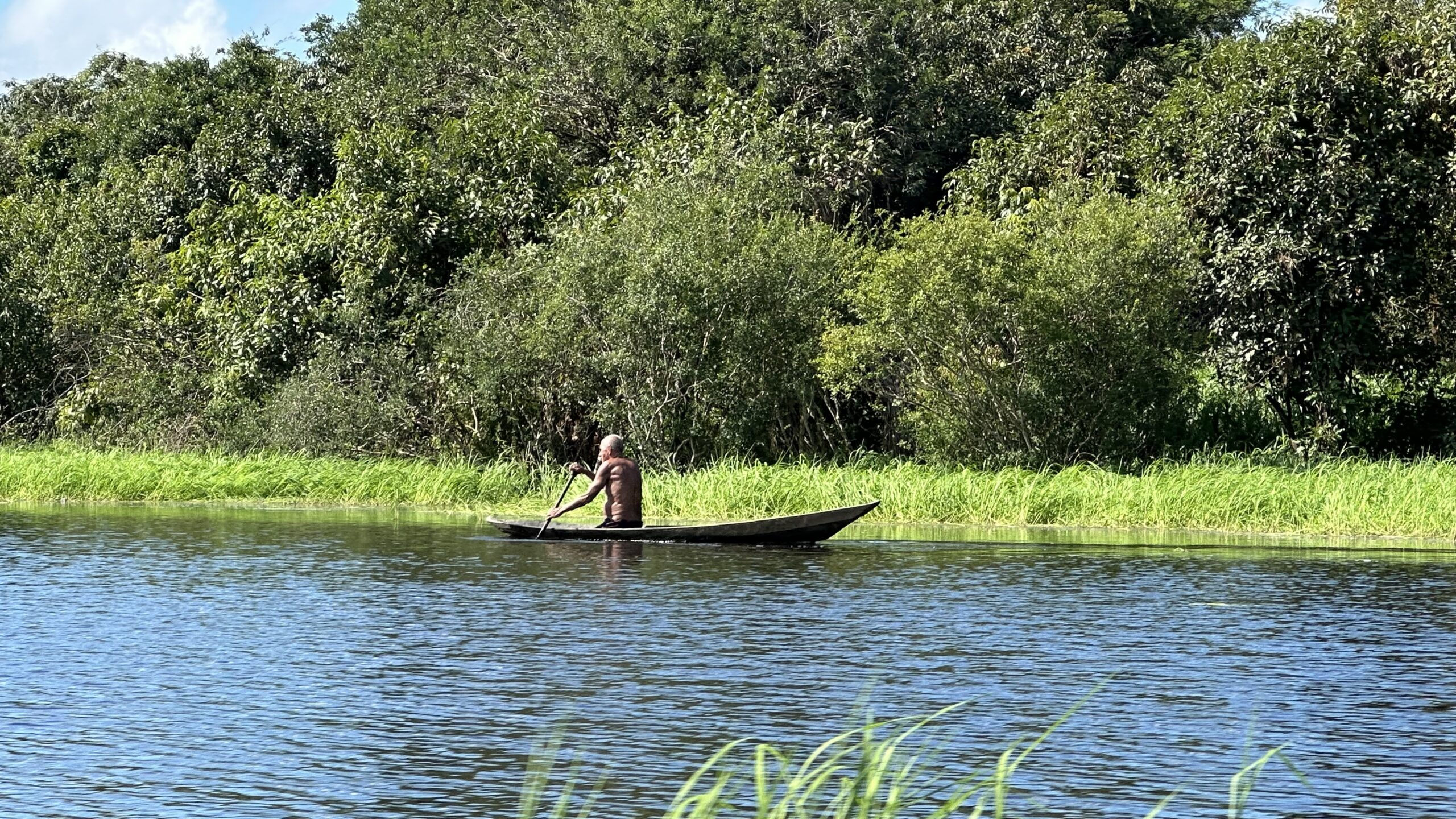
Image generated with Ai
In a move to safeguard one of Mexico’s most unique and precious natural wonders, Tulum has launched an official Sustainable Cenote Tourism Route. This new initiative is a revolutionary approach to cenote conservation and eco-tourism, offering a carefully planned framework for visitors who want to enjoy these stunning natural features while minimizing their environmental impact.
Nestled in the heart of the Mayan Riviera, Tulum has long been a beloved destination for travelers seeking to explore its pristine cenotes. These freshwater sinkholes, some over thousands of years old, have been at the center of both local cultural heritage and the region’s tourism industry. However, the growing number of visitors has raised concerns about the delicate balance between preserving these wonders and meeting the increasing demand for eco-friendly travel experiences. Today, Tulum takes a bold step in ensuring that the magic of these natural gems endures for generations to come.
The Sustainable Cenote Route: Protecting Water Systems for Future Generations
The new Sustainable Cenote Route, officially certified by Mexico’s Ministry of Tourism and the Quintana Roo Government, has set new standards for responsible tourism in Tulum. This unique tourism circuit will guide visitors through 12 cenotes that have been selected for their ecological significance and their ability to handle sustainable tourism practices.
Unlike the unregulated tourism that has often led to overcrowding and environmental damage in the past, the Sustainable Cenote Route has a structured framework designed to protect the water quality and surrounding ecosystems of the cenotes. The plan not only focuses on regulating the number of visitors to each site but also introduces new access protocols that prevent erosion, water contamination, and waste generation in these fragile environments.
A Multi-Pronged Approach to Eco-Tourism in Tulum
The route features several key conservation strategies and tourism enhancements that highlight the best of Tulum’s cenotes while ensuring the protection of their delicate ecosystems.
- Controlled Access and Pathways
Visitors will now follow clearly marked pathways, minimizing human impact on the sensitive cenote landscapes. Access will be regulated through timed ticketing to avoid over-crowding. These measures aim to reduce the risk of foot traffic damaging the fragile ground surrounding the cenotes. - Certified Eco-Guides Educating Travelers
Only trained and certified local guides, skilled in the principles of eco-tourism and environmental education, will lead tours. These guides will not only highlight the natural beauty of the cenotes but also offer educational experiences about the ecological significance of the area and ways to preserve it. - Water Conservation Practices
New infrastructure, including water filtration systems, will help preserve the quality of the cenotes’ freshwater systems. Visitors are encouraged to use biodegradable products when visiting, reducing the risk of contaminating the waters with harmful chemicals or plastics. - Biodiversity Protection
The cenotes’ rich ecosystems, which include a variety of rare plant and animal species, will also benefit from the Sustainable Cenote Route initiative. Restrictions will be placed on activities such as swimming and diving in particularly sensitive areas, and visitors will be encouraged to engage in less intrusive methods of exploring these natural wonders, such as snorkeling in designated zones.
Economic and Cultural Benefits for Tulum
This new sustainable tourism model aims to strike a balance between economic growth and environmental protection. By implementing this route, Tulum hopes to enhance its tourism offerings, bringing in visitors who value responsible travel. Not only does this initiative provide a boost to local businesses by increasing eco-conscious tourism, but it also helps create jobs in conservation and guide services for local communities.
Advertisement
Advertisement
The roadmap also aligns with Tulum’s long-term strategy to become a global leader in sustainable tourism. By preserving its unique cenote ecosystems, Tulum enhances its reputation as a destination that combines adventure tourism with environmental responsibility. This initiative is also a key element in Mexico’s national commitment to the UN Sustainable Development Goals (SDGs), specifically goals related to life on land, water conservation, and sustainable economic growth.
What This Means for Travelers
For travelers, the launch of the Sustainable Cenote Route in Tulum offers an exciting opportunity to explore these incredible sites with the peace of mind that their visit is helping preserve the environment. Visitors can enjoy everything from swimming in crystal-clear waters to learning about the rich cultural heritage of the region, all while supporting eco-conscious businesses and engaging in educational experiences.
However, as the route will be strictly regulated, visitors are encouraged to plan their trips in advance, especially during peak travel times. Booking timed tickets and ensuring they are following the eco-tourism guidelines will help ensure they are not only enjoying a world-class experience but also contributing to the preservation of these incredible natural resources.
Looking Ahead: A New Standard for Cenote Tourism
Tulum’s move towards a responsible cenote tourism model is more than just an environmental necessity — it’s a bold vision for the future of eco-tourism. By integrating sustainability into the core of the region’s tourism model, Tulum is paving the way for other destinations to adopt similar practices, protecting natural wonders worldwide.
As the program evolves, it’s expected that the Sustainable Cenote Route will become a leading example of how destination management and ecological protection can go hand in hand, ensuring that places like Tulum remain vibrant, accessible, and beautiful for future generations of travellers.

link