Lee County’s Sustainable Blueprint: Integrating Economy And Ecology To Future-Proof Paradise Through Conservation And Eco-Tourism

Published on
December 10, 2025

The increasing global recognition of environmental imperatives has brought about a fundamental shift in the travel industry. Destinations are now being held accountable not only for the economic prosperity generated by visitors but also for the long-term stewardship of their natural and cultural assets. Within this crucial movement, Lee County, a region affectionately known as The Beaches of Fort Myers & Sanibel in Southwest Florida, has distinguished itself as a global exemplar, demonstrating a profound commitment to sustainable tourism principles. A calculated and comprehensive approach, ensuring that economic development and environmental protection are mutually supportive, has been established as the core operational philosophy of the region’s tourism structure.
The Foundations of Forward-Thinking Development
A robust strategic planning framework has long been considered essential for the management of sustainable growth in Lee County. Key findings realized through processes like the New Horizon 2035 initiative indicated that a more responsible, sustainable planning approach to development was required to effectively address critical community issues, including livability, community character, and resource sustainability. Consequently, a comprehensive Vision Framework was established, providing a blueprint for long-term governance. This framework clearly distinguishes between urban, suburban, and rural areas, facilitating a more compact and efficient pattern of development that minimizes sprawl and pressures on undeveloped land.
This vision dictates that Lee County shall remain a highly desirable place to live, work, and visit—a status earned through an unwavering dedication to a sustainable future characterized by a healthy environment, a stable economy, and a strong community. The proactive role of the Lee County Visitor & Convention Bureau (VCB) must be emphasized in this context. The VCB’s mission extends far beyond simple destination marketing; it is centrally focused on facilitating travel, showcasing the county’s unique attributes, and continually benefitting both the residents and the broader travel and tourism industry. Crucially, stakeholders are being educated, and messaging is regularly deployed to inform potential visitors and the wider community on exactly how tourism protects and enhances the local environment. This dedication to education ensures that visitors are welcomed as partners in conservation, rather than merely consumers of the destination’s assets.
Safeguarding Irreplaceable Natural Treasures
The unparalleled beauty of Lee County is recognized as its foremost attraction. The county’s natural assets, encompassing pristine beaches, lush natural islands, and extensive parks and preserves, serve as the cornerstones of its successful eco-tourism strategy. The necessity of safeguarding these environments is not merely a policy goal; it is understood to be an economic imperative. The region’s reputation is intrinsically tied to the health of its ecosystems, and conservation efforts are therefore pursued with the highest level of diligence.
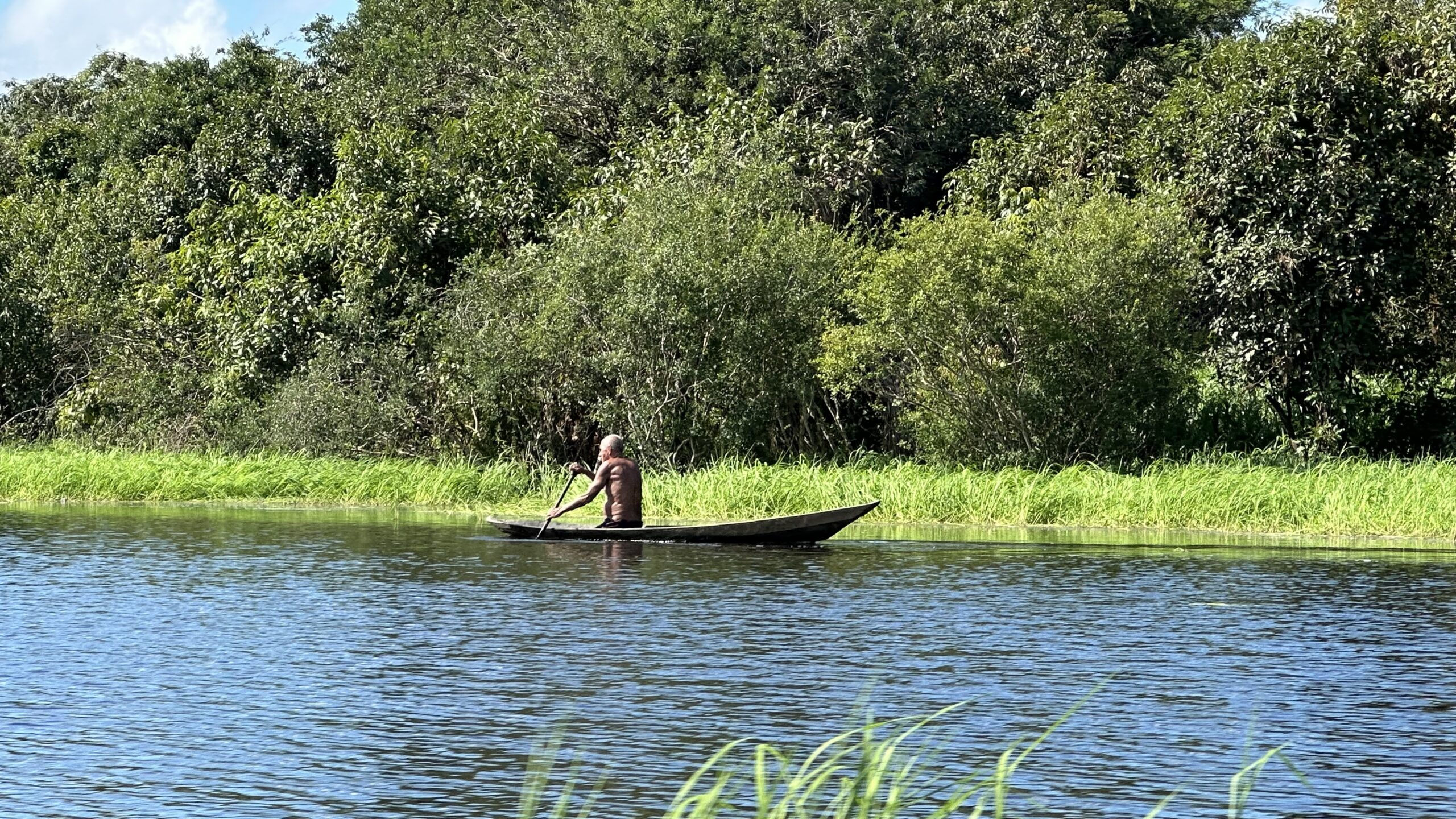
A notable example of this dedication is the network of preserved lands that are managed across the county. The Six-Mile Cypress Slough Preserve in Fort Myers, for instance, provides a serene and vital habitat where visitors are offered opportunities for nature walks and observation of local flora and fauna. Similarly, the Estero Bay Aquatic Preserve, which was one of Florida’s first aquatic preserves, spans over 11,000 acres, protecting a variety of coastal habitats, including extensive seagrass beds, mangrove forests, and crucial oyster reefs. In these areas, low-impact activities such as kayaking, paddle boarding, and wildlife viewing are actively encouraged, allowing visitors to encounter species such as manatees, dolphins, and a plethora of bird species without causing environmental harm.
Industry Integration and Green Initiatives
The transition toward sustainability is being embraced by the local hospitality sector through tangible, verifiable programs. The commitment to conserving and protecting Florida’s natural resources is evident in the substantial number of local accommodations that have been named to the Florida Green Lodging Program. As many as thirty-six properties have been recognized under this stringent state initiative, indicating a widespread adoption of environmentally responsible practices across the industry. This is a crucial metric, as the certification requires participants to adhere to strict guidelines regarding waste reduction, water conservation, energy efficiency, and education.
A Model for Global Destination Management
The long-term success of the county’s efforts will ultimately be determined by its ability to maintain a delicate equilibrium between commercial growth and ecological integrity. The dedication to this balance is being demonstrated by the commitment to supporting the county-wide efforts that provide outstanding services, ensure a sustainable future, and deliver an excellent quality of life for both residents and visitors. The integration of conservation efforts with the visitor economy is not viewed as optional but as a non-negotiable component of a robust, future-proof strategy.
Furthermore, the rich cultural and historical tapestry of the area is also preserved and leveraged responsibly. Historic sites, such as the Edison and Ford Winter Estate, are maintained not only as attractions but as educational assets that enrich the visitor experience and connect the destination’s past with its present focus on innovation and stewardship. The comprehensive approach taken by Lee County—which marries strategic land-use planning, targeted community education, robust industry participation, and the steadfast protection of critical natural assets—is thus setting a compelling precedent.

link