Elevating Visitor Experience: Infrastructure Upgrades Pave Path To International Eco-Tourism Standards In Macuata

Published on
November 8, 2025

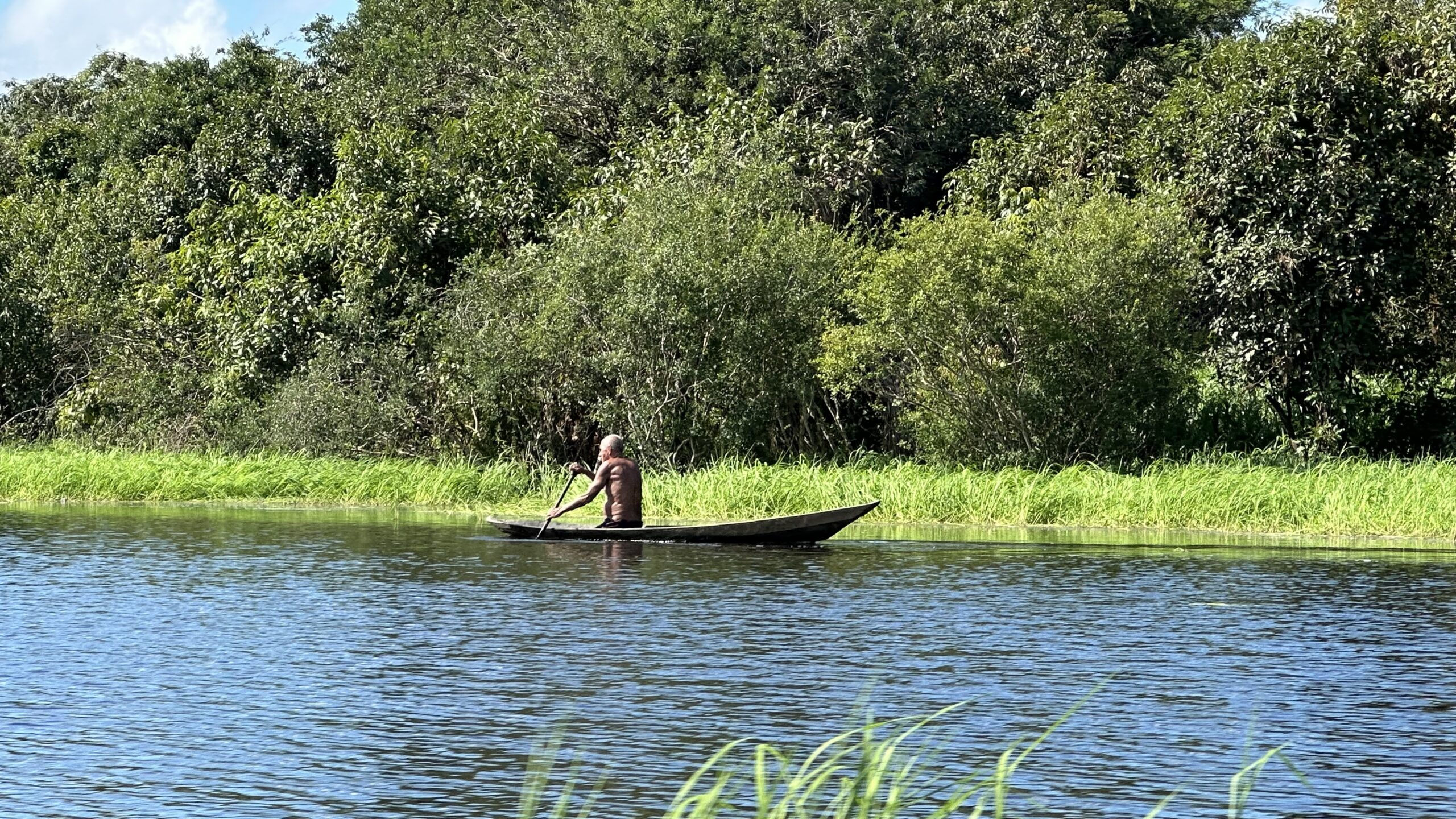
The province of Macuata is now decisively positioned to become one of Fiji’s most prominent eco-tourism destinations, representing a significant shift in the nation’s focus toward environmentally conscious and culturally respectful development. A comprehensive strategy is being executed, with several crucial projects already moving forward, designed to harness the region’s abundant natural beauty and deep-rooted cultural heritage. This transformation is not merely about increasing visitor numbers; rather, it is centered on the principle of sustainability, ensuring that economic benefits are realized without compromising the integrity of the environment or the local way of life.
The region has been recognized by tourism advocates as possessing extraordinary wealth in both its natural and cultural assets, setting a robust foundation upon which this vision is being built. However, the achievement of this ambitious goal is acknowledged to be contingent upon the provision of significant infrastructure upgrades and the establishment of robust, unified coordination mechanisms. These steps are deemed essential prerequisites for the province to be able to successfully meet established international tourism standards, thereby securing its place on the global eco-tourism map.
The Foundation of Sustainability: Community and Consultation
A non-negotiable component of the entire eco-tourism development framework for Macuata is the full and continuous engagement of local landowners. This commitment to inclusion is regarded as fundamentally crucial, ensuring that the benefits of tourism are equitably shared and that development initiatives are executed with the full consent and participation of those who serve as custodians of the land. It has been confirmed by spokespersons from the Macuata Tourism Association that a steadfast adherence to proper consultation and approval processes is maintained at every stage of the planning and implementation cycle. This procedural rigor is intentionally designed to protect the rights of the customary landowners and to embed a sense of ownership among the local populace, which is vital for the long-term success and environmental stewardship of the projects. Without this foundation of community partnership, the inherent risks associated with unregulated development could compromise the very natural assets that are attracting the visitors.
Current Attractions and Enhancement Projects
Several sites within Macuata have already been established as significant visitor drawcards, demonstrating the immediate appeal of the region’s diverse offerings. Popular coastal areas, such as Korovatu and Nubu, are consistently attracting a growing number of travelers, though efforts are currently focused on enhancing the existing facilities at these locations. This ongoing work is designed to improve the visitor experience and ensure that the tourism activities remain manageable and respectful of the natural surroundings. The approach being taken is one of incremental improvement, ensuring that all enhancements align with the broader principles of eco-tourism and sustainability.
Unlocking Untapped Potential: Future Sites
The proactive stance of the Macuata Provincial Council is central to identifying and exploring additional tourism opportunities across the province. The Council’s efforts extend beyond the currently popular locations, systematically assessing the potential of a range of other spectacular natural attractions. Prominent among these future development sites are the majestic Three Sisters Mountains, which offer breathtaking scenic vistas and challenging trekking routes that could appeal to the adventure tourism market. The Three Sisters Mountains represent a significant opportunity to diversify Macuata’s offerings beyond coastal and cultural sites, attracting a different segment of the global traveler.
Addressing the Infrastructure Imperative
The successful transition of Macuata into a premier eco-tourism hub is wholly dependent on the diligent execution of the required infrastructure and coordination improvements. The development of high-quality, reliable amenities is not simply a matter of convenience; it is a fundamental requirement for meeting and maintaining the expectations of international travelers. Upgraded roads, efficient transportation services, and improved digital connectivity are essential to facilitate seamless movement and communication for visitors exploring the province’s diverse sites, from Korovatu to the Three Sisters Mountains. Without these essential infrastructure advancements, the full potential of sites like the Nag Mandir and the Floating Island cannot be fully realized or sustained.
A Model for National Eco-Tourism
The collective ambition being pursued in Macuata is one that extends far beyond the provincial borders; it is about establishing a replicable and robust model for sustainable development and eco-tourism that can be adopted across Fiji. The principles being applied—meticulous planning, absolute landowner involvement, and a prioritization of environmental preservation over rapid development—represent a best-practice approach. The dedicated efforts, spearheaded by individuals like Amelia Simmons and backed by the resources of the Macuata Provincial Council, are steadily turning the vision into a tangible reality. The formal organization of cultural sites, the protective development of natural wonders, and the strategic planning for future expansion all demonstrate a mature approach to harnessing the province’s assets. As infrastructure gaps are closed and coordination strengthened, the province is set to realize its full potential, becoming a jewel in Fiji’s eco-tourism crown and a globally recognized example of responsible, community-centric, and sustainable travel. This methodical progression ensures that the cultural integrity and pristine ecosystems of Macuata are preserved, allowing the province to contribute significantly to the national economy in a way that respects and enhances the natural heritage of Fiji.

link