China’s Hubei Showcased in Malaysia: “Zhiyin Hubei, Majestic Yangtze” Highlights Culture, Nature, and Tourism Cooperation
Published on
September 12, 2025

Early in September 2025, Kuala Lumpur was chosen to host the tourism promotion event “Zhiyin Hubei, Majestic Yangtze”. The initiative sought to improve tourism and cultural relations between Malaysia and the Chinese province of Hubei, as well as to increase the inbound travel market in Southeast Asia. The event, organised by the Hubei Provincial Department of Culture and Tourism, was attended by prominent figures from both countries’ travel industries. By highlighting its natural beauty and cultural treasures, Hubei was promoted as a destination that combines traditional traditions with modern hospitality.
Participation & Collaboration
The promotion was attended by eighteen leading tourism enterprises from Hubei alongside ninety-six Malaysian travel companies. In total, more than 150 representatives from the broader tourism and cultural sectors were brought together. Industry partnerships were encouraged through meetings and exchanges. Special attention was given to direct charter flight possibilities, as easier connectivity between Malaysia and Hubei was recognised as a key step to attract Southeast Asian tourists. Cooperation agreements were signed by several parties, laying the groundwork for more structured partnerships in the years ahead.
Hubei’s Natural Attractions Presented
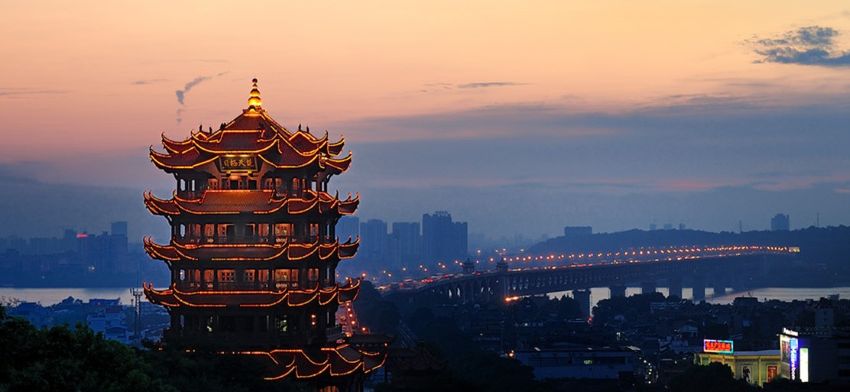
The centrepiece of the promotion was the display of Hubei’s most celebrated natural landscapes. The Yangtze River and the Three Gorges were highlighted as essential experiences for visitors, with their mix of dramatic cliffs, historical sites, and river cruises.
Wudang Mountain, famous for its Taoist temples and as the birthplace of internal martial arts, was presented as both a spiritual and cultural attraction. Its UNESCO World Heritage status was emphasised, showing its international recognition.
Enshi Grand Canyon was also introduced as one of China’s most impressive natural wonders. Its rugged cliffs, waterfalls, and lush greenery were displayed as key draws for ecotourism, hiking, and adventure travel. By presenting these landmarks, Hubei was framed as a destination that could appeal to a wide variety of travellers, from heritage enthusiasts to nature lovers.
Cultural Performances & Heritage Experiences
An opening performance of Wudang Kung Fu was staged for the audience. The martial art was presented not only as a discipline of strength and agility but also as an expression of balance and philosophy. Through its stillness and motion, it was meant to reflect harmony in Chinese tradition.
Visitors were also guided to an intangible cultural heritage exhibition. Here, the fragrance of Enshi Yulu green tea filled the space. This signature product from Enshi Tujia and Miao Autonomous Prefecture was displayed as both a regional treasure and a cultural bridge. Guests were given the opportunity to savour it while also learning about its significance in local tradition.
Another cultural highlight was the Chu-style incense experience. This practice, rooted in ancient customs, was shared with Malaysian guests as a representation of Hubei’s refined traditions. By allowing participants to engage directly, the exhibition made intangible heritage more accessible and memorable.
Strategic Significance of the Event
The event was positioned not only as a tourism showcase but also as a strategic step in cultural diplomacy. Malaysia and Hubei were portrayed as partners with growing opportunities for mutual benefit. The introduction of direct charter flights was recognised as a move that could reduce barriers to travel, making Hubei easier to access from Kuala Lumpur and other Southeast Asian hubs.
Tourism was also presented as an industry capable of driving deeper cultural exchange. By sharing martial arts, tea culture, and incense traditions, Hubei was introduced as a destination that offers immersive cultural experiences. In turn, Malaysian operators were given opportunities to expand their packages beyond standard sightseeing tours, incorporating heritage and lifestyle elements.
Benefits for Malaysian & Southeast Asian Travelers
For Malaysian tourists, Hubei was promoted as a destination that combines convenience with diversity. With direct flights in discussion, shorter travel times are expected. Once in Hubei, travellers can move from urban centres such as Wuhan to mountain landscapes, river cruises, and heritage towns.
For Southeast Asian travellers more broadly, Hubei represents an alternative to more familiar Chinese destinations such as Beijing, Shanghai, or Guangzhou. The province was presented as less crowded yet equally rich in culture, history, and natural scenery. By adding Hubei to regional itineraries, tour operators could offer unique travel experiences that stand apart from conventional routes.
Broader Tourism Outlook
By hosting this event, Hubei was positioned as a gateway between central China and Southeast Asia. Cultural diplomacy was emphasised alongside economic potential, and tourism was framed as an avenue for strengthening people-to-people connections.
Malaysia’s strong travel market was identified as a springboard for larger Southeast Asian engagement. With more collaborative events expected in the future, Hubei’s presence in the region is likely to grow.
Conclusion
Kuala Lumpur’s tourism promotion, “Zhiyin Hubei, Majestic Yangtze”, was positioned as a strategic move as well as a cultural display. The Yangtze River, Wudang Mountain, and Enshi Grand Canyon were among the natural wonders on exhibit. Martial arts, tea, incense, and other aspects of its cultural heritage were emphasised as enduring customs. Partnerships between Chinese and Malaysian tourism businesses were reinforced, and agreements and possible direct flights have already started future collaboration.
Hubei has taken a bold step toward becoming a well-known international travel destination where nature and culture are experienced together by introducing itself to the Malaysian and Southeast Asian markets in such a thorough manner.
[Image Source: Hubei Official Government Website]

link