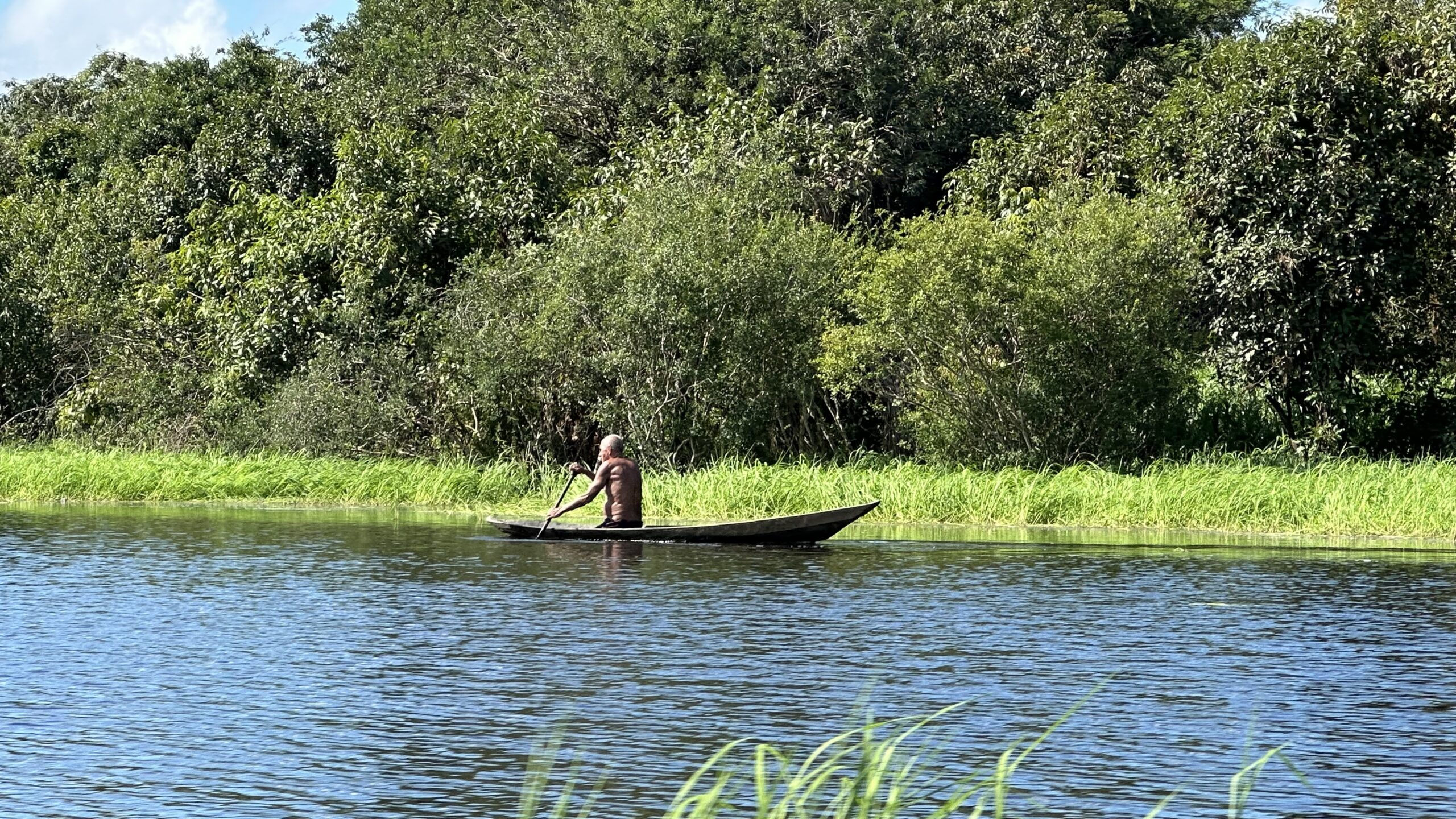
Canada’s Tourism Sector Emerging as a Major Contributor as US, Italy, Spain, Greece, Japan, China, Thailand, Mexico, and Brazil Focus on Eco-Tourism for Growth Amid Global Travel Boom

Friday, August 1, 2025

As the world returns to a new sense of normal, tourism markets across Canada, the U.S., Europe, Asia, Latin America, and Australia are experiencing an extraordinary recovery, thanks to pent-up demand, shifting consumer behavior, and evolving travel preferences. According to the latest report by the World Travel & Tourism Council (WTTC), the global tourism industry is on track to reach record-breaking numbers by 2025, with Canada’s tourism sector emerging as a major contributor. However, challenges are emerging that could shift the dynamics of international travel, and stakeholders must adapt swiftly to secure the long-term success of the industry.
Tourism in Canada has grown exponentially in recent years, but with increasing uncertainty in international travel patterns, the sector faces a challenge of maintaining momentum. Despite the anticipated contributions of nearly $183 billion by 2025, global changes could affect key source markets. With the ongoing economic recovery post-pandemic, Canada is seeing strong domestic travel growth, but international visitation is still lagging, particularly from the United States, the country’s biggest source of inbound travel.
In addition to Canada’s developments, the global tourism landscape is undergoing a massive transformation, with recovery rates differing widely across various regions such as the U.S., Europe, and Latin America. Asia and Australia’s tourism sectors are also capitalizing on the newfound enthusiasm for international travel, though they too are encountering similar risks, including political instability and the shifting behaviors of travelers.
Understanding the importance of these dynamics is crucial for the broader tourism sector. As countries globally build on their tourism offerings, innovative strategies, sustainable practices, and consumer-centric approaches are needed to safeguard growth and secure the future of global travel.
Canada’s Tourism Outlook for 2025 and Beyond
Canada’s Travel & Tourism sector is poised to hit a milestone in 2025, contributing nearly $183 billion to the economy. The WTTC’s 2025 Economic Impact Research (EIR) report highlights the sector’s potential to support 1.8 million jobs, affirming its central role in the nation’s economic landscape. With a projected increase in domestic spending, expected to surpass $104 billion, Canada is seeing its homegrown tourism market remain a steadfast pillar. However, as international tourism recovers, visitor spending from abroad is forecasted to hit only $34 billion, still falling short of pre-pandemic levels.
The critical question lies in how Canada can sustain growth amid global shifts in travel behavior. Factors such as the rapid recovery of European destinations, strong rebounds in Asia-Pacific, and an increasing reliance on emerging markets in Latin America pose both an opportunity and a risk to the Canadian tourism sector. As Canadian stakeholders look to retain their strong position, adapting to these changes with forward-thinking marketing, partnerships, and digital infrastructure will be essential.
Global Tourism Trends: The U.S. Dominance, International Challenges
The U.S. remains the most significant player in international travel to Canada, accounting for 71% of inbound visitors. However, emerging signs of political and economic tension between the two countries may dampen this flow. With increasing political differences and shifting sentiments between U.S. and Canadian travelers, the industry might see a decline in visitors from the south. Data from Statistics Canada shows a drop in U.S. arrivals in 2024, with air arrivals decreasing in early months, adding pressure on the Canadian tourism sector. At the same time, Canadian outbound travel has seen a change in preferences, with travelers seeking new experiences farther from North America.
This shift could reflect a broader trend in global tourism, where international travelers are looking for destinations offering unique experiences, safety, and value. These changing preferences present a growing challenge for traditional tourist hubs like Canada, which must find new ways to entice visitors while managing risks tied to market dependence.
Europe’s Growth: Tourists Return with New Expectations
In contrast to Canada’s struggle, Europe’s tourism industry is expected to experience a notable boom. European destinations, particularly Italy, Spain, and Greece, have seen strong growth, with travelers increasingly seeking cultural and historical experiences. According to the European Travel Commission (ETC), by 2025, Europe’s tourism sector is expected to contribute an additional 3-4% to GDP, driven by robust inbound visitor numbers from both North America and Asia.
For European countries, 2025 marks a new era of growth, with many governments investing heavily in digital and sustainable infrastructure. The challenge for European destinations will be maintaining this growth amid rising political instability and uncertain economic conditions, both of which have the potential to disrupt tourism flows.
Asia’s Rapid Recovery: Embracing the New Traveler
Asia’s tourism recovery is perhaps one of the most significant success stories of the post-pandemic world. Countries like Japan, China, and Thailand have emerged as leading players in the global tourism revival. With borders reopened and pent-up demand fueling travel, Asia is seeing an influx of both regional and international visitors.
Thailand’s tourism industry, for example, has projected growth of over 30% in international arrivals, with countries like India and China showing a marked increase in interest. In response, Asia-Pacific nations are rolling out new visitor experiences, leveraging technology to enhance the tourist journey, and promoting off-the-beaten-path destinations. However, Asia’s tourism sector must navigate the complexities of geopolitical tensions, natural disasters, and economic volatility in the years ahead.
Latin America’s Unique Position: Leveraging Cultural Appeal
Latin America has also seen a surge in tourism interest, particularly from North America and Europe. Countries such as Mexico, Brazil, and Costa Rica offer a mix of cultural richness, natural beauty, and affordability, making them prime destinations for international visitors. By 2025, the region’s tourism market is expected to grow significantly, especially in eco-tourism and adventure travel sectors.
Despite this growth, Latin America faces challenges such as political instability, economic inequality, and environmental issues. Sustainable tourism development will be crucial in preserving the region’s unique natural heritage while boosting its economy through tourism.
Australia and Oceania: Tapping into Adventure and Luxury
Australia’s tourism sector has seen a strong recovery post-pandemic, driven by luxury travel, eco-tourism, and adventure experiences. The country is leveraging its diverse landscapes—from the Great Barrier Reef to the Outback—to attract high-spending visitors. Australia’s focus on eco-tourism and sustainability has proven to be a key differentiator, appealing to environmentally conscious travelers.
As Australia and other Oceania nations look to sustain growth, they must address challenges such as flight connectivity, the impact of climate change on natural landmarks, and the rising competition from neighboring destinations in Southeast Asia and the Pacific Islands.
Strategic Recommendations for Tourism Stakeholders
To succeed in this evolving tourism landscape, destination marketers and stakeholders must:
- Adapt to Digital Trends: As digital channels become the primary touchpoint for travelers, destinations need to invest in user-friendly websites, robust digital marketing campaigns, and virtual experiences.
- Focus on Sustainability: Prioritize eco-tourism and sustainable travel offerings to appeal to the growing demand for responsible travel options.
- Diversify Market Reach: Reducing reliance on a single market (e.g., the U.S. for Canada) is essential. Tourism authorities should actively develop strategies for attracting visitors from emerging markets in Asia, Africa, and the Middle East.
- Emphasize Unique Cultural Experiences: To stay competitive, destinations must offer authentic, immersive experiences that align with shifting traveler interests, particularly among younger generations.
- Prioritize Safety and Health Measures: As travelers remain cautious, destinations should emphasize health and safety protocols to build trust and encourage travel.
Conclusion: The Road Ahead
Tourism in Canada, and globally, is on an upward trajectory, but the landscape is changing rapidly. While growth is expected, the sector’s success will depend on the ability to adapt to shifting consumer preferences, political landscapes, and emerging global challenges. By leveraging technology, sustainability, and diversification, destinations can ensure they remain competitive in the years ahead. For Canada, Europe, Asia, Latin America, the U.S., and Australia, the challenge lies in capitalizing on their strengths while being agile enough to respond to global shifts in travel behavior.

link