Andaman and Nicobar Islands Add Birdwatching to Their Eco-Tourism Portfolio: A New Feather in Their Cap!
Monday, July 28, 2025

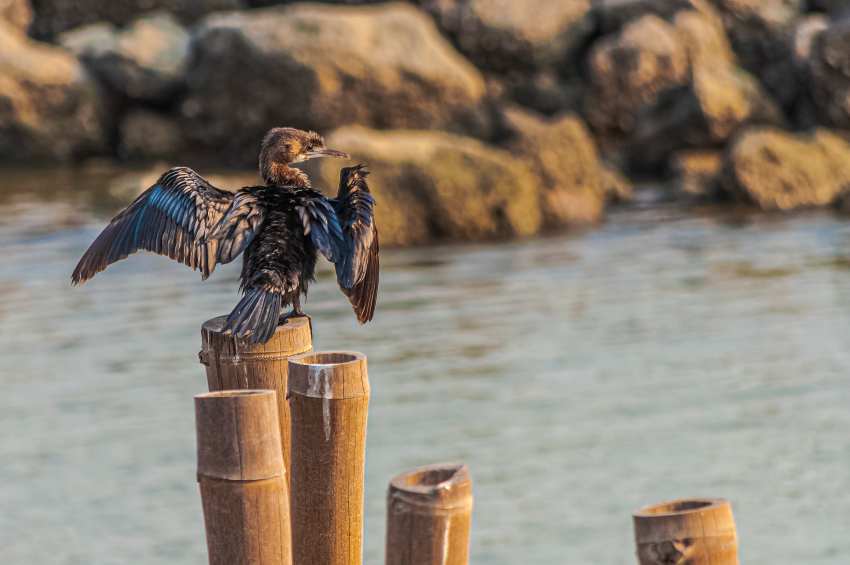
Tropical treasure trove islands are not just islands, anymore. The local governor has launched the city’s newest eco-tourism project: one that is intended to aide the protection, preservation and revitalization of its aquatic resources, while attracting both domestic and foreign tourists to its beaches. The Andaman and Nicobar Islands have been a birder’s paradise for those interested in seeing over 300 species of birds that exist here, many endemic to the islands. Finally, with the recent introduction of their birdwatching tourism program, the islands are all set to be a global mecca for avitourism welcoming bird enthusiasts, casual birdwatchers and the returning ornithologist to join in the tropical paradise’s conservation of birds, through a variety of fascinating birds.
The secretary of tourism, Jyoti Kumari, addressed the initiative and highlighted the need to develop awareness around the varied avian species in these islands and encourage sustainable tourism. More than just a push to bring in tourists, the project promises to protect the islands’ delicate ecosystems, creating a perfect blend of adventure and eco-tourism.
What is Birdwatching Tourism and Why it’s Becoming Popular?
Avitourism, or birdwatching tourism, is the practice of travelling to witness customerspecific birds in their natural environment. This niche arm of nature-based tourism has grown increasingly popular in recent years and has attracted an array of travelers who are eager to see the world—from novices to experts in the observation of birds. It’s a kind of ecotourism that doesn’t only provide a chance for travelers to immerse themselves in nature but bridges the gap between humans and their shared environment.
Countries such as India, Costa Rica, Ecuador and Kenya have witnessed a boon in birdwatching tourism, as exotic bird species and their natural habitats have an international mystique. The Andaman and Nicobar Islands are also joining this trend and are now inviting you to experience uncommon and endemic birds in its natural habitat! Through sustainable tourism promotion and emphasis on visiting areas of biodiversity importance like national parks, wetlands, forests, this initiative is expected to boost the tourism sector on the island, yet not on the expense of the island’s natural assets.
Why Birdwatchers Should Look out for the Andaman and Nicobar Islands
The Andaman and Nicobar islands boast of over 300 species of birds, and is thus one of the top choices for birdwatchers. Many of them are endemic to this place and for instance only one kind of wood pigeon Andaman wood pigeon, only one type of crake Andaman crake and just one species of the serpent eagle Andaman serpent eagle can be found here. These distinctive species draw bird lovers from around the world who come to see them in their natural elements.
Aside from the diversity of birding, the Andaman & Nicobar Islands provide an abundant range of activities for a tourist. If you’re passionate about nature or in search of an adventure (or just want to relax in one of the most unspoiled places in the world), the islands have something for everyone. These are just a few of the many other fun things to do while you’re in town.
Shipwreck Diving at Duncan Island
If you are into the deep sea adventure, the Andaman Islands are also admired for its amazing dive sites. Lurking beneath the seas off Duncan Island lies the disintegrating hull of the SS Inchkeith instead, which sank in 1955 and has since become a thriving haven for marine life. Divers have the chance to explore this deserted shipwreck now inhabited by all kinds of new sea life, and to that we say take the plunge!
A Trip to India’s Only Active Volcano
India’s only active volcano is situated in Barren Island in the Andaman Sea. From Port Blair, visitors can ferry to a point to view this awe-inspiring, smoke-spewing presence up close. The volcanic setting of the island provides an extra level of excitement in the stunning natural environment.
Mud Volcano at Baratang Island
Mud volcanoes at Baratang island are another exclusive interest in the Andaman and Nicobar Islands. These volcanoes don’t spit fire like normal volcanoes; they spit cold mud, in an odd natural wonder. One of the weird things that seem to attract people to the islands as a holiday destination.
The Economic Value of Birdwatching Tourism
Birdwatching tourism at the Andaman and Nicobar Islands has potential to contribute the local economy besides inspiring people to save endangered bird species. Expected to bring birdwatchers and fans of nature from around the world to the cherry region, the initiative will generate new jobs in the area, increase trade for local businesses and drive the development of sustainable tourism.
The most important advantages of birding tourism is that it prevents tourists from being diverted on short stay as they stay for a longer period and become involved in eco friendly tourism where they participate in the guided nature’s walk, birding photographic advertisement drive and tour protected areas. Such activities stimulate the economy without over burdening the environment. Not only that, this type of tourism is used to encourage conservation as it emphasizes the need to keep the habitats of rare and threatened birds to prevent extinction.
The campaign will also highlight the unique ecosystems of the Andaman and Nicobar Islands, promoting sustainable and responsible tourism. Tourists will also be made aware of the necessity of maintaining the islands’ biodiversity, thereby, playing a large part in guaranteeing that future generations may also enjoy the natural treasures, which make the islands so extra special.
The future of bird watching tourism in Andaman & Nicobar Islands and challenges
Though the birdwatcher tourism project has great potential, there are challenges that need to be overcome for its success. The flow of tourists will need to be regulated as more people visit, to avoid overrunning environmentally fragile sites. It is essential for the local government to develop sustainable tourism strategies and collaborate closely with environmental groups to keep the islands from becoming severely impacted due to polluted water and litter.
In addition, infrastructure and facilities must be developed to cater to this emerging tourism sector. All developments in terms of lodging, transport and services have to be thoroughly planned, not to devastate the birdwatcher or eco-tourist experiences, at the expense of the environment. To secure the successful future of the venture, it will be important to strike the right balance between tourism development and environmental protection.
Conclusion: Andaman and Nicobar Has a Green Future for Eco-tourism
The Andaman and Nicobar Islands launched a pioneering birdwatching tourism initiative in the region, a significant milestone in the region’s foray into responsible nature based tourism. Home to a variety of exotic plant and bird species as well as wild and natural landscapes, the islands are expected to draw international eco-tourists. By emphasising sustainable tourism practices and encouraging the conservation of biological environments, the islands can develop an example of tourism that benefits the local people and is good for the environment.
For eco-tourists, nature buffs and bird watchers alike, the Andaman and Nicobar Islands provide a veritable treat to get to see some of the worlds’s most stunning avian species. Its sheer beauty, varied wildlife, and pledge towards responsible tourism make these islands a top contender for those who simply wish to revel in the natural magnificence of India.

link