Tips for Traveling With Family Safely
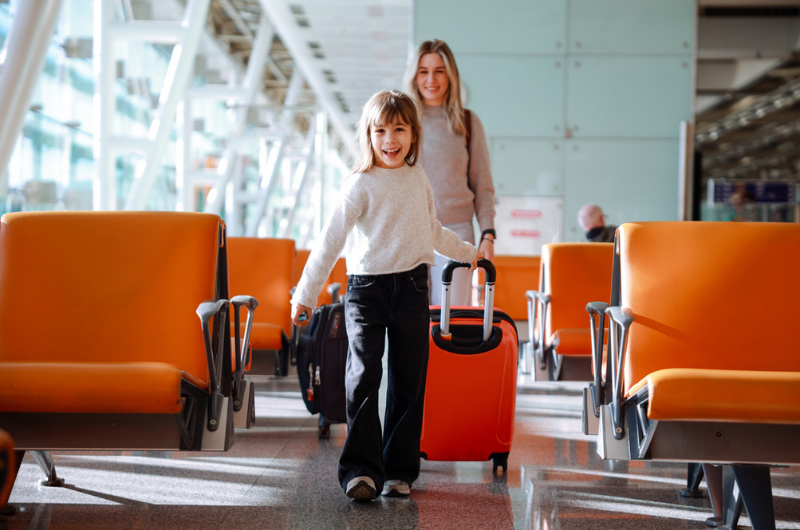
Holiday travel means packed airports, winter weather delays and a higher risk of getting sick – especially with flu, RSV and COVID-19 all circulating at the same time. In fact, the holidays often see increased emergency room visits for these illnesses in hospitals throughout New Jersey, according to the New Jersey Department of Health.
If you’re traveling with family, including young children or older adults, it’s especially important to be prepared so you can stay safe and healthy. Harry Kopolovich, M.D., regional chair of emergency medicine at Hackensack Meridian’s Jersey Shore University Medical Center, offers tips for how to do just that.
Pack These Health Essentials for Holiday Travel
A well-prepared holiday travel checklist should include both everyday health supplies and items you hope you’ll never need. “If you can handle minor things with supplies you brought, you’ll be less likely to have to deal with urgent care or an emergency department,” Dr. Kopolovich says.
Here are the key items you should keep in your travel health kit, whether you’re traveling by plane, car, train or bus:
- Prescription and over-the-counter medications, labeled and with several extra days’ worth of medication
- A printed list of prescriptions, allergies and emergency contacts
- Health insurance cards
- Doctors’ notes (if relevant) and pharmacy information
- A compact first-aid kit with hydrogen peroxide, alcohol swabs, bandages, scissors, a thermometer and anti-diarrheal agents
- Healthy snacks and water
- Cleansing wipes, hand sanitizer and tissues
- Sunscreen and insect repellant (if you’re traveling somewhere tropical)
Include Any Necessary Medical Devices
When traveling with family, be sure to bring any mobility aids or medical devices a loved one may need. Dr. Kopolovich advises packing extra components, charging cables and even the instruction manual. The reason: A community emergency department may not be familiar with the device, and “having those parts and information stabilizes you until you get to a more advanced center,” Dr. Kopolovich says.
If you’re managing chronic conditions, such as diabetes or high blood pressure, bring portable tools like a glucometer or blood pressure monitor, along with fresh batteries or charging cables.
Another small-but-mighty health tool to consider? A pulse oximeter, which provides important information to your doctor during telehealth visits. “It can measure your blood oxygen saturation level and your pulse rate,” says Dr. Kopolovich. These numbers help your doctor assess your respiratory and heart health.
Pro tip: If your medical devices need to go in a checked bag, tag your luggage with a tracker so you can find it if it gets lost.
Consider Purchasing Travel Insurance
Travel insurance can provide financial protection if you need an emergency medical evacuation or need to cancel a trip due to an accident or illness. “If you have to be evacuated for health reasons, you’ll be glad you chose insurance,” says Dr. Kopolovich, who notes that evacuation can cost more than $100,000 out of pocket – a good reason to add travel insurance to your holiday travel checklist.
Get Airport Assistance
If you or a loved one needs mobility support, call your airline ahead of time to request a wheelchair. You can also ask for one at curbside check-in, but “you won’t be the only one with that idea,” says Dr. Kopolovich. “Arrive early to avoid long wait times – or worse, having to rush to get to your gate.”
To make it easier to get through security, airports like Newark offer assistance for people with disabilities or medical conditions. Just be sure to call ahead to arrange these services.
And don’t forget to take advantage of preboarding, if you’re traveling with children or older adults who need extra time.
Wash Your Hands Frequently
Practicing good handwashing hygiene can help reduce your risk of infection, notes the Centers for Disease Control and Prevention (CDC). Wash your hands often – and thoroughly – or use an alcohol-based hand sanitizer with at least 60 percent alcohol.
If you or a loved one has a preexisting condition or compromised immune system, consider wearing a mask in public spaces to protect yourself from infection. On planes, it’s especially important to wear a mask during boarding and deplaning, per the CDC. That’s when the risk of disease transmission is highest since air filtration systems may not be activated yet.
Be Prepared for Delays
Delays are inevitable during holiday travel. Books, toys and tablets can help keep kids calm – just make sure you have chargers.
For older adults, especially those with dementia, maintaining a place to rest and keeping them on their usual schedule matters. Disrupted patterns can contribute to “sundowning,” a late-day period of confusion and agitation, says Dr. Kopolovich. Preserving their routine becomes part of travel safety.
If your flight is delayed and medications require refrigeration, extend the life of an ice pack by double-bagging ice and placing it around the medication, not directly on it.
Take Advantage of Telehealth and Urgent Care Centers
Telehealth and urgent care centers can provide support while you’re away from home. “Telehealth is going to be useful for some medication refills and some mild to moderate conditions,” Dr. Kopolovich says. “Some of the urgent cares can actually insert IVs, administer some medications and do some limited diagnostic laboratory testing.”
Feeling serious symptoms such as chest pains or neurological complaints? Head straight to the emergency room, he advises.
Next Steps & Resources
The material provided through Healthier Youis intended to be used as general information only and should not replace the advice of your physician. Always consult your physician for individual care.
link