


Published on
October 30, 2025


In response to the devastating floods that struck Bali, Indonesia, in September 2025, the island is quickly pivoting towards eco-tourism and environmental restoration to better prepare for the monsoon season. Bali’s tourism sector, heavily impacted by the floods, is now focusing on creating a future-proofed sustainable environment for both its local communities and the millions of visitors it attracts annually.
Bali’s Path to Recovery: A Call for Sustainable Tourism
In the wake of the catastrophic floods, which resulted in 15 fatalities, the loss of homes, and damage to hundreds of businesses, Bali is focused on recovery. The flooding was exacerbated by clogged waterways, caused by waste and debris. This issue, coupled with the rapid conversion of agricultural land and green spaces into commercial developments, worsened the speed and extent of the flood.
In a bid to avoid future crises and ensure the long-term sustainability of Bali’s tourism, leaders are prioritizing river cleaning, mangrove restoration, and eco-friendly infrastructure. The island is focusing on both rebuilding its tourism industry and protecting its natural environment through a combination of local initiatives and government support.
Badung Regency’s Commitment to Re-Greening Bali
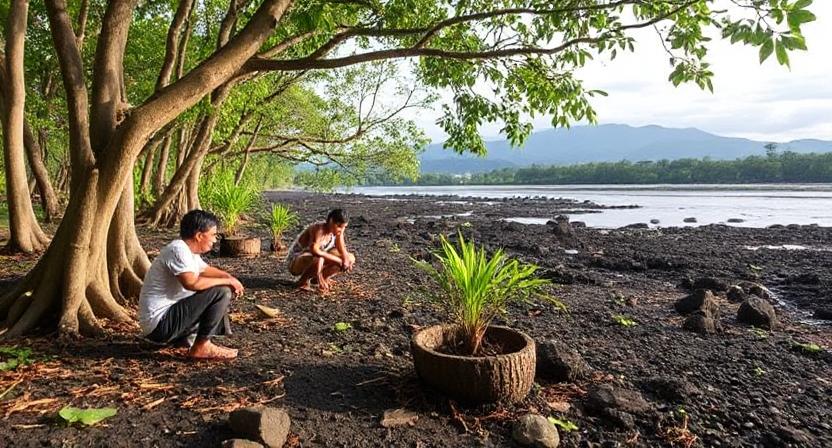
A significant part of Bali’s eco-tourism recovery is being led by Badung Regency, an area home to popular tourist destinations such as Canggu, Uluwatu, and Seminyak. In September, the regency organized an impactful tree planting event as part of Rahina Tumpek Wariga Day, a Hindu holiday celebrating plants. The event’s theme, “Planned Universe Movement: Real Action of Simultaneous Tree Planting and River Cleaning”, was centered around the Tukad Ayung River in Bongkasa Pertiwi Village in Abiansemal District.
Governor Wayan Koster of Bali and Regent Wayan Adi Arnawa led the initiative, which resulted in the planting of 4,400 saplings and a large-scale river clean-up effort. This effort is not only a recovery measure following the floods but also part of a long-term plan to prevent future disasters by maintaining clean, unblocked waterways and promoting eco-tourism as a source of local livelihood.
Encouraging Bali’s Environmental Education and Community Action
During the event, Regent Arnawa emphasized that the ongoing efforts in Bali are about more than just flood prevention. They aim to build a sustainable culture of cleanliness and cooperation within communities. The tree planting and river clean-up activities serve as a clear message to locals and visitors alike: rivers are not just an afterthought or a place for waste, but crucial parts of the ecosystem that need to be cherished and protected.
The local population’s participation in these activities highlights the importance of community-based tourism and environmental education. Through Gotong Royong (a traditional Indonesian spirit of mutual cooperation), Bali is fostering a deeper connection between the local people and the island’s natural resources. By planting trees and cleaning rivers together, Bali’s residents and tourists alike are contributing to a greener and more resilient future for the island.
Solar Power and Desalination: Greening Bali’s Tourism Industry
In line with its commitment to sustainable tourism, Bali have started integrating solar energy and desalination technology to reduce reliance on non-renewable resources. Since 2018, Bali has been implementing solar-powered facilities, and in 2024, desalination systems were installed to provide freshwater for small-scale tourism operations. This initiative minimizes the environmental footprint of tourism, ensuring that the island’s natural resources are preserved for future generations.
By incorporating renewable energy and eco-friendly technology, Bali is setting the stage for a future where tourism and environmental conservation are in harmony. The goal is to make the island a leading example of green tourism in Southeast Asia, attracting visitors who value sustainability as much as culture and adventure.
Bali’s Holistic Approach to Sustainable Development
The introduction of projects like Badung Regency’s river clean-up and tree planting event highlights how Bali is taking a holistic approach to tourism development. By aligning cultural practices with environmental goals, Bali’s leadership is demonstrating that sustainable tourism doesn’t just mean preserving natural beauty—it also means respecting local traditions and creating a tourism model that benefits everyone.
As Bali moves forward, it is focusing on a future where eco-tourism, sustainable growth, and environmental stewardship are central to the island’s identity. Initiatives like Gotong Royong Semesta Berencana and the UNDP support are helping the island strengthen its commitment to green tourism while ensuring that the local communities continue to thrive.
Bali’s Commitment to a Greener Future
Bali’s response to the September 2025 flooding is a clear example of how environmental crises can be met with community-driven action and long-term sustainability plans. By continuing to focus on river clean-ups, mangrove restoration, and renewable energy solutions, Bali is working hard to protect its natural assets while growing its tourism sector responsibly.
As tourism pressures rise, especially in protected areas, Bali’s eco-tourism strategy serves as an inspiring example for other destinations around the world. The island’s commitment to sustainability, community involvement, and environmental protection ensures that Bali will remain a top travel destination for years to come while maintaining its natural beauty and cultural heritage.


link